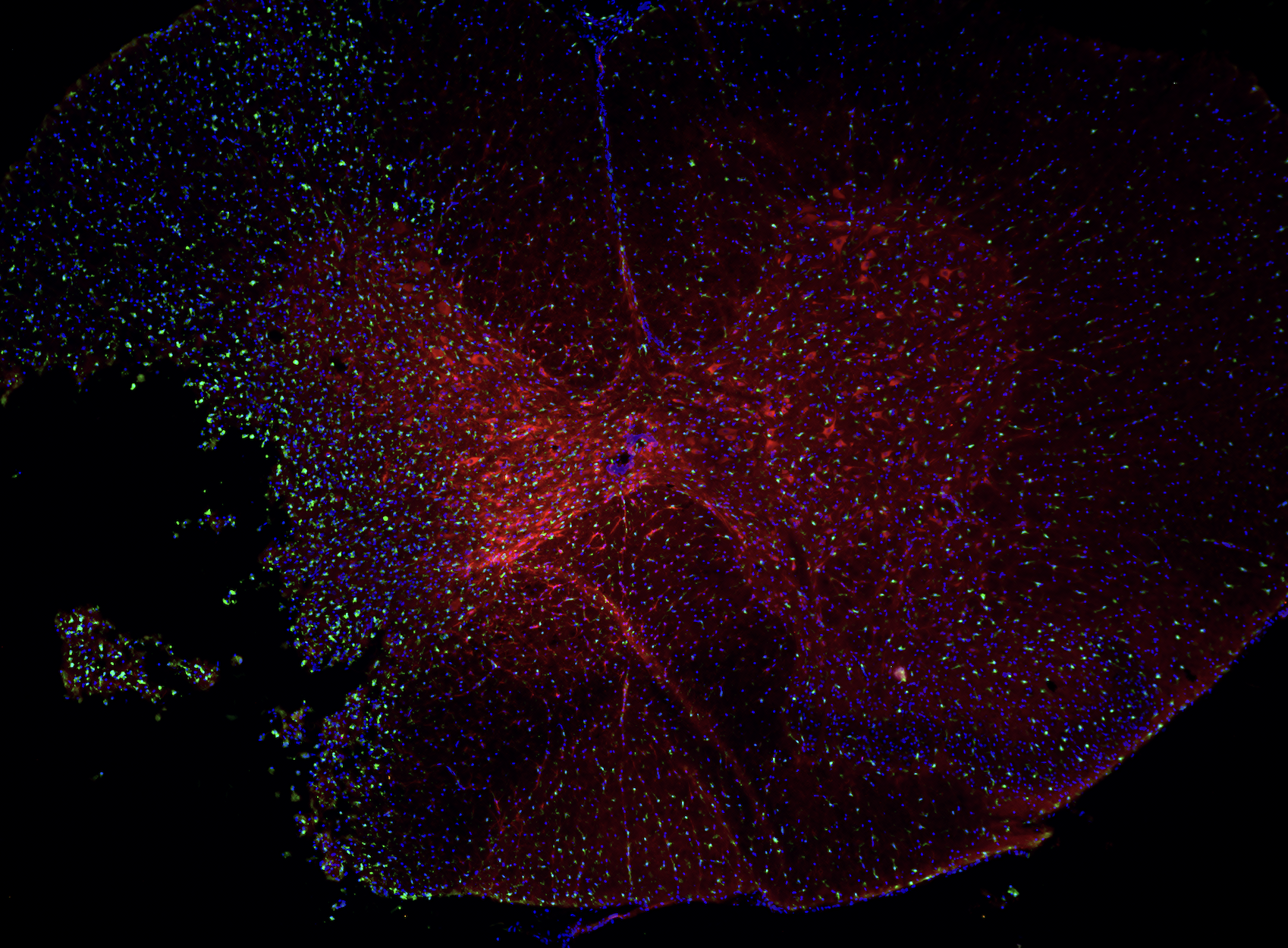
The focus of our research is to elucidate mechanisms of neuroplasticity and to create therapeutic strategies for CNS repair.
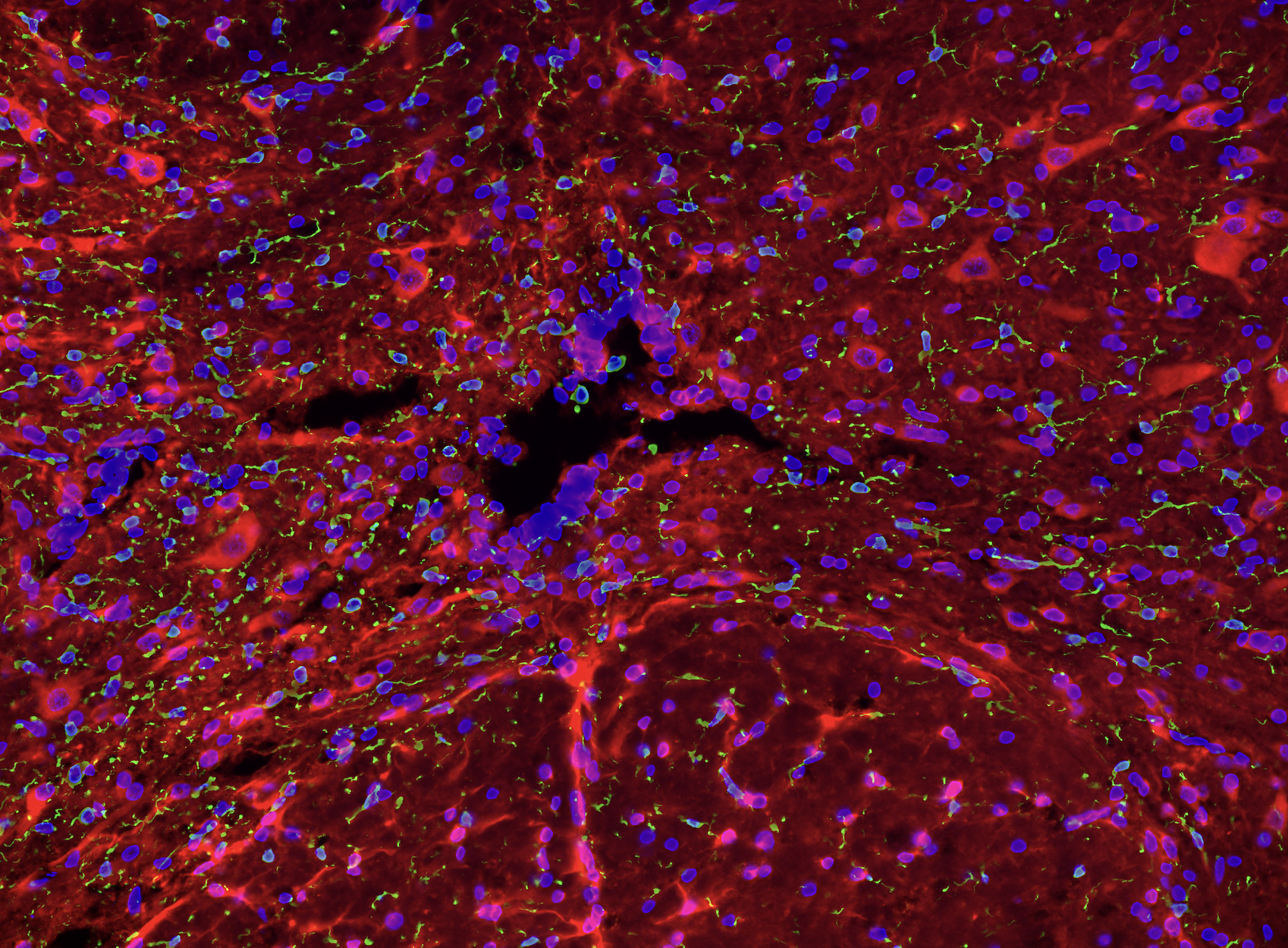
Our primary projects are about spinal cord injury and the spinal networks controlling breathing. We have extensive expertise in in vivo whole nerve recording, plethysmography, electromyography, spinal cord stimulation, immunohistochemistry, in vivo RNA interference, and stem cell/olfactory ensheathing cell transplantation, which we want to apply to the investigation of therapeutic strategies such as neuromodulation, neurotransplantation, and neurotrophin-based repair and rehabilitation.
NEUROMODULATION
🧠
NEUROMODULATION 🧠
the use of externally delivered electrical currents to change the excitability of spinal cord circuits, and thereby modify the activity of the nervous system that controls locomotion
NEUROPLASTICITY
🧠
NEUROPLASTICITY 🧠
It is defined as the ability of the nervous system to change its activity in response to intrinsic or extrinsic stimuli
EPIDURAL STIMULATION
⚡️
EPIDURAL STIMULATION ⚡️
The application of electrical currents to the spinal cord through epidural electrodes placed on the surface of the dura mater.
ELECTROMYOGRAPHY
⚡️
ELECTROMYOGRAPHY ⚡️
the recording of electrical activity from skeletal muscles with surface (or needle) electrodes in order to quantify voluntary or evoked muscle activation during locomotor tasks.
Cervical Spinal Cord Injury and Breathing Recovery
More than half of all traumatic spinal cord injuries (SCI) occur at the cervical level, leading to respiratory impairment or failure. Approximately 20% of these people will require ventilator support for which there are very few therapeutic options for recovery.
Current Research
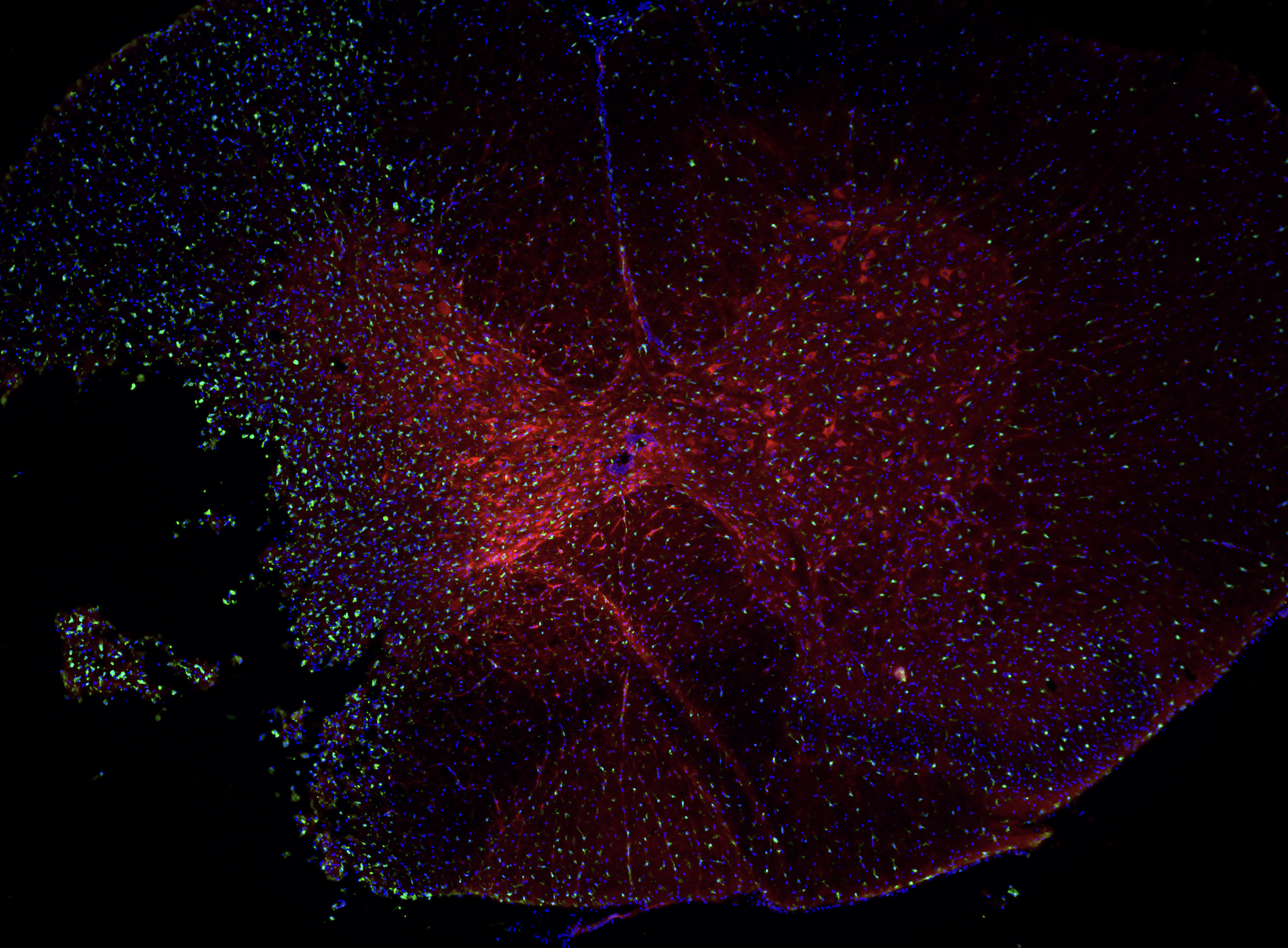
Epidural Stimulation
Epidural stimulation has been recently shown to restore many functions after spinal cord injury. However, to date, very little is known about how and where epidural stimulation elicits its effects nor how this stimulation elicits motor function at the neuronal level. More importantly, the vast majority of epidural stimulation studies require that the person remain dependent on the device rather than gaining function through sustained recovery beyond the period of stimulation.
Our Goal
〰️
Our Goal 〰️
We are currently continuing Dr. Dale’s long-term research interests in spinal learning and repair induced by neurotrophic factors as well as investigating the spinal respiratory circuits involved. With this, we hope to develop a neuromodulatory therapy that transitions someone with SCI from device-dependence to device-independence (e.g. to breathe freely without the need for mechanical ventilation). Ultimately, we hope to inform future investigations of the mechanistic basis of epidural stimulation efficacy essential for advancing therapeutic applications, in a variety of contexts, after spinal cord injury.
Funding Sources