Spinal Cord Injury Research Laboratory
Gainesville, Florida, USA
“We can only see a short distance ahead, but we can see plenty there that needs to be done.” -Alan Turing
⚕
“We can only see a short distance ahead, but we can see plenty there that needs to be done.” -Alan Turing ⚕
ABOUT OUR LAB
ABOUT OUR LAB
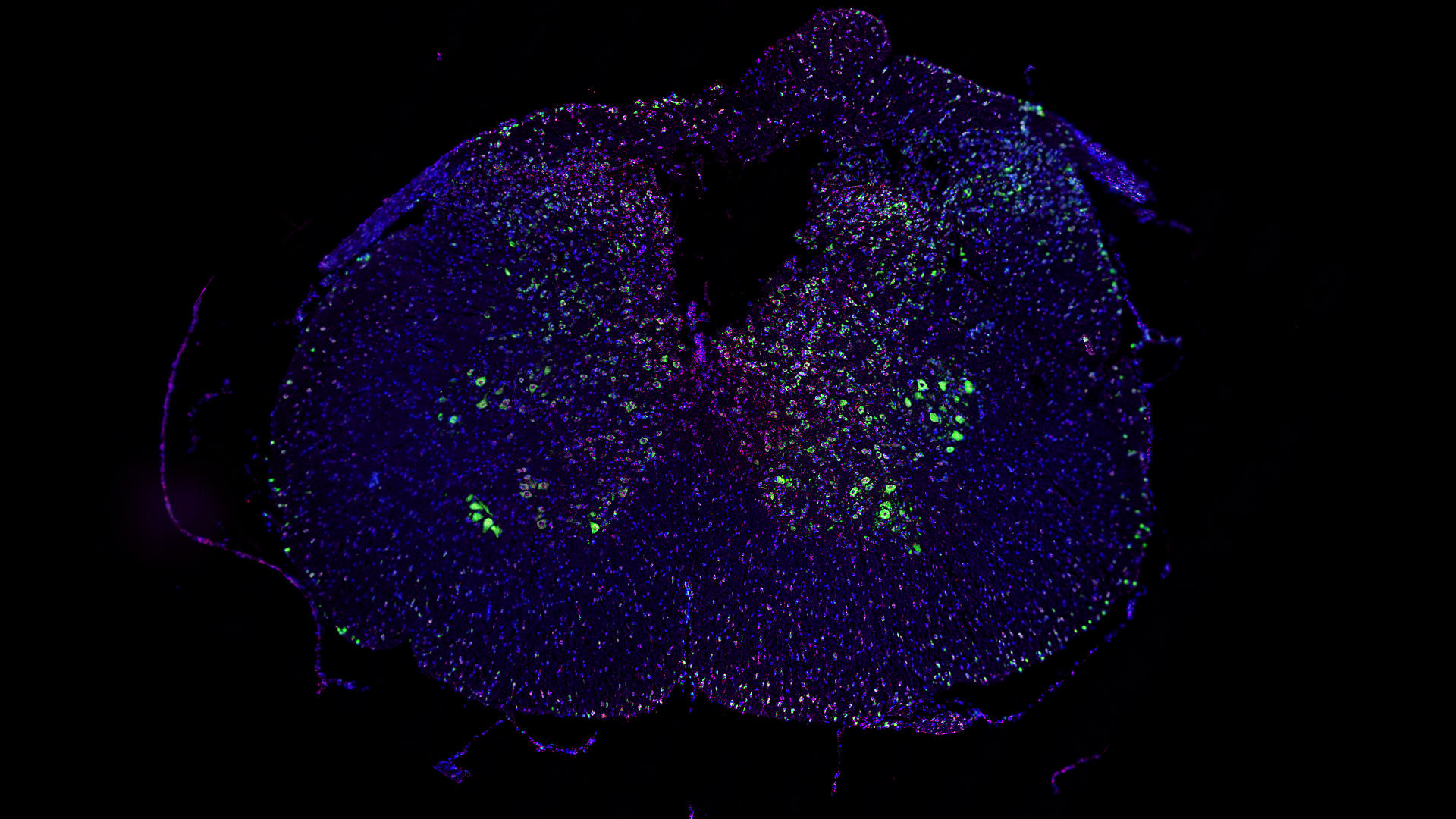
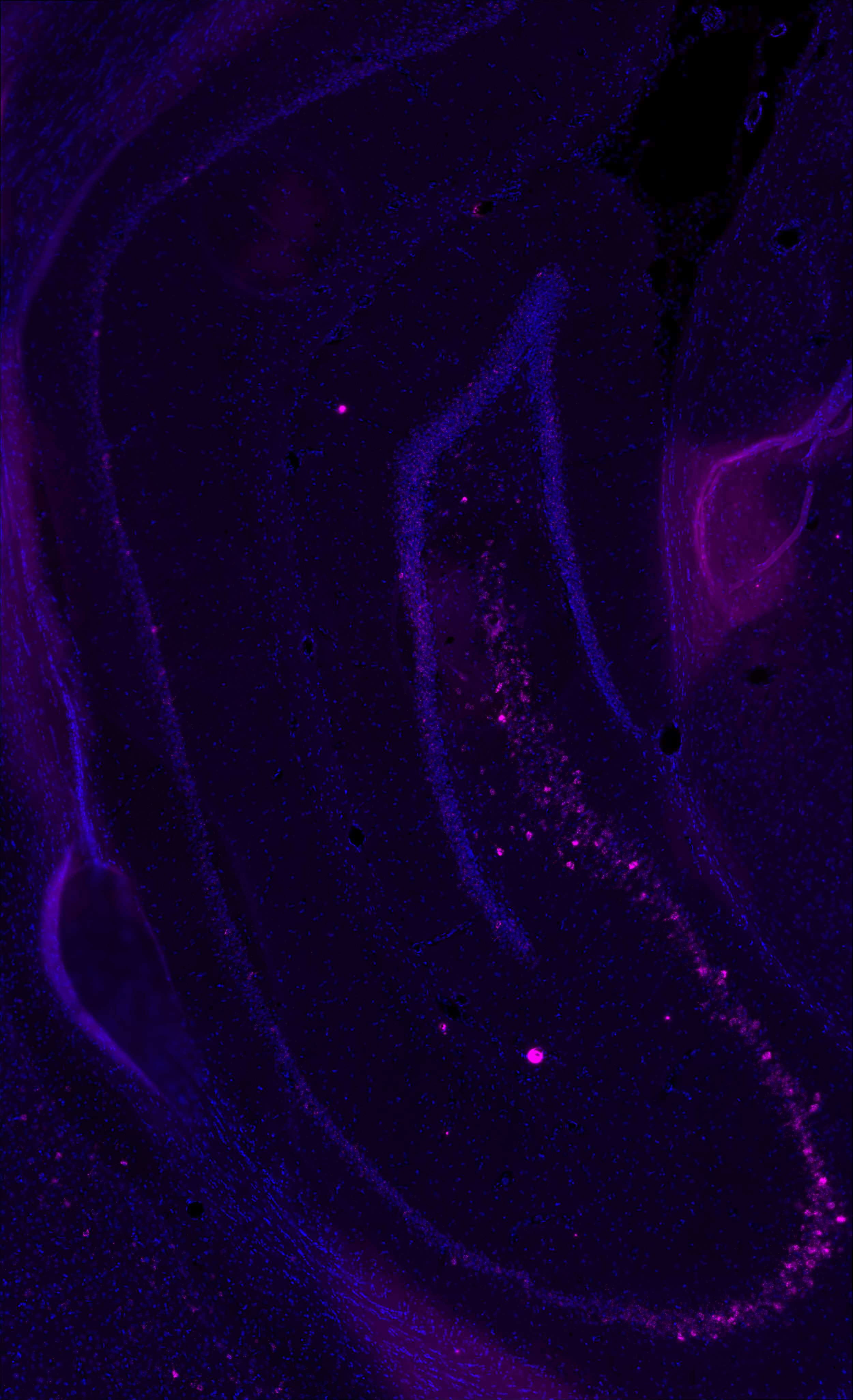
Our primary projects are about spinal cord injury and the spinal networks controlling breathing. We have extensive expertise in in vivo whole nerve recording, plethysmography, electromyography, spinal cord stimulation, immunohistochemistry, in vivo RNA interference, and RNAScope, which we want to apply to the investigation of therapeutic strategies such as neuromodulation and neurotrophin-based repair and rehabilitation.
The focus of our research is to elucidate mechanisms of spinal neuroplasticity and to create therapeutic strategies to restore breathing after injury or disease.
RESEARCH
More than half of all traumatic spinal cord injuries (SCI) occur at the cervical level, leading to respiratory impairment or failure. Approximately 20% of these people will require ventilator support for which there are very few therapeutic options for recovery. Epidural stimulation has been recently shown to restore many functions after spinal cord injury.
-
Effective treatments to restore breathing after severe upper cervical injury are lacking; thus, it is imperative to develop therapies to address this. Epidural stimulation has successfully restored motor function after SCI for stepping, standing, reaching, grasping, and postural control. READ MORE
-
We have shown that closed-loop epidural stimulation (CL-ES) elicits respiratory plasticity in the form of increased phrenic network excitability. READ MORE
-
Here, we illustrate in a rodent model of cSCI that epidural spinal stimulation (ESS) of the phrenic motor nucleus at spinal segment C4 alters motor output at the hypoglossal motor nucleus through activation of excitatory ascending spinal pathways and inhibitory peripheral sensory feedback mechanisms.
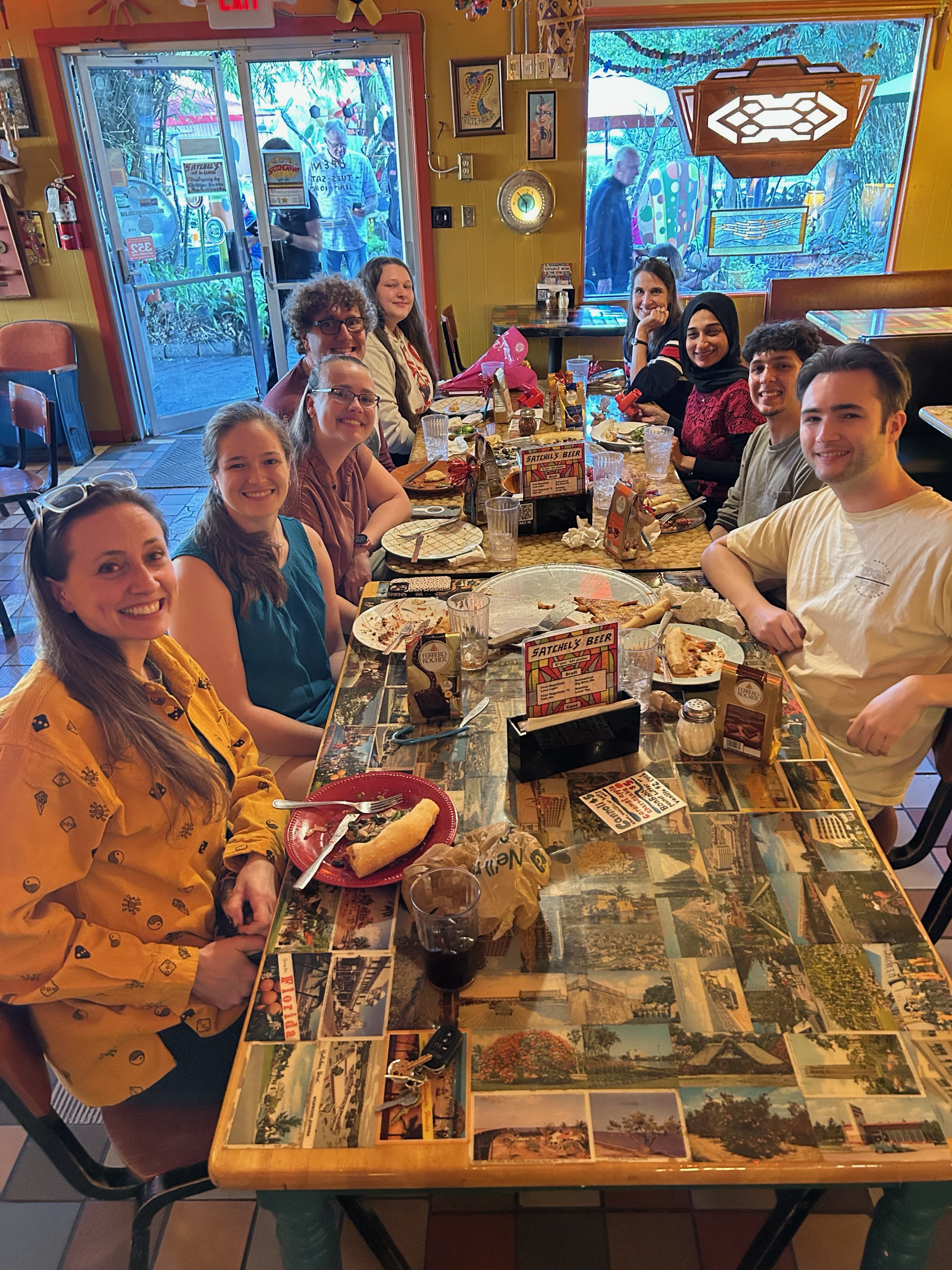
MEET THE TEAM

Erica Dale, Ph.D.
Principal Investigator
My research interests involve understanding mechanisms of spinal learning within the context of breathing function. Within the respiratory neural control network there are several known spinal mechanisms underlying plasticity and they all lead to a long-lasting increase in phrenic motor output; a direct correlation to contraction of the diaphragm and, thus, breathing.
I have shown that hypoxia-inducible factors can act as neurotrophic stimulators of the phrenic motor network to elicit facilitation in much the same way. A large portion of my current research focus is aimed towards activating phrenic motor networks via electrical spinal cord stimulation to enable functional recovery of breathing after upper cervical spinal cord injury in rodents. Recently published work utilizing this model in a closed-loop stimulation paradigm has shown promise for eliciting plasticity within the respiratory motor network.
Watch Dr. Dale’s UF College of Medicine Spotlight!
Erica Dale, PhD, an assistant professor in the department of physiology and aging at the University of Florida College of Medicine, studies the neurons in the cervical spine that control breathing to develop new treatments and devices for those with spinal cord injuries. Dale is the winner of the 2024 UF College of Medicine Rising Star Researcher Award in Basic or Translational Sciences.